- Khosrov State Reserve, Kotayk
- From Yerevan 75 km
- Jan - Dec
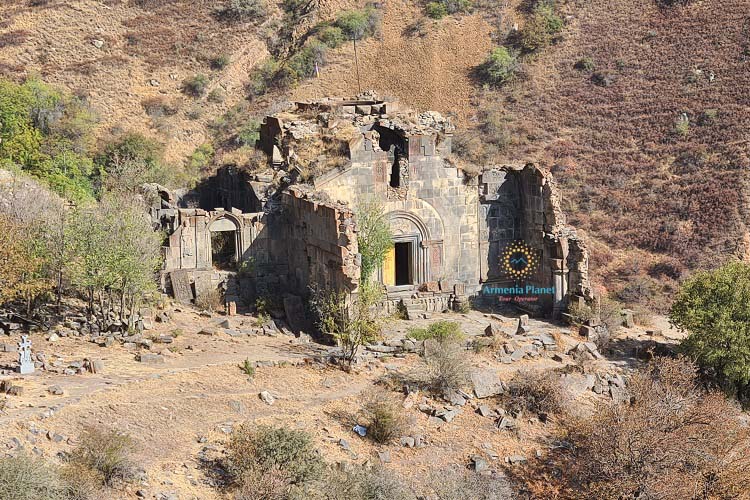
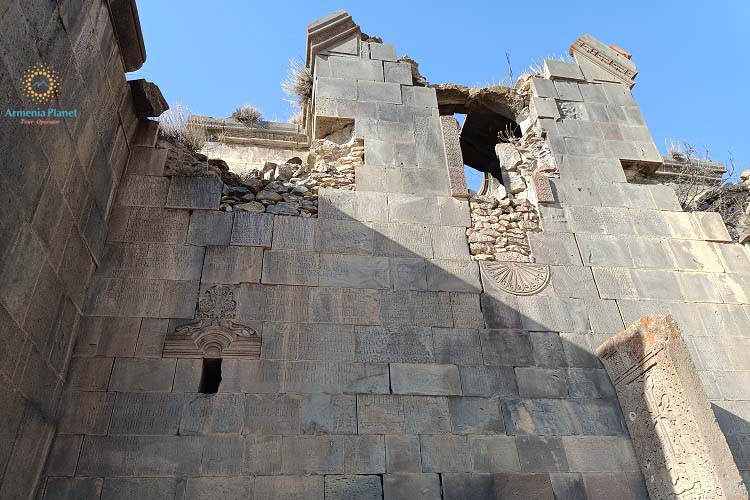
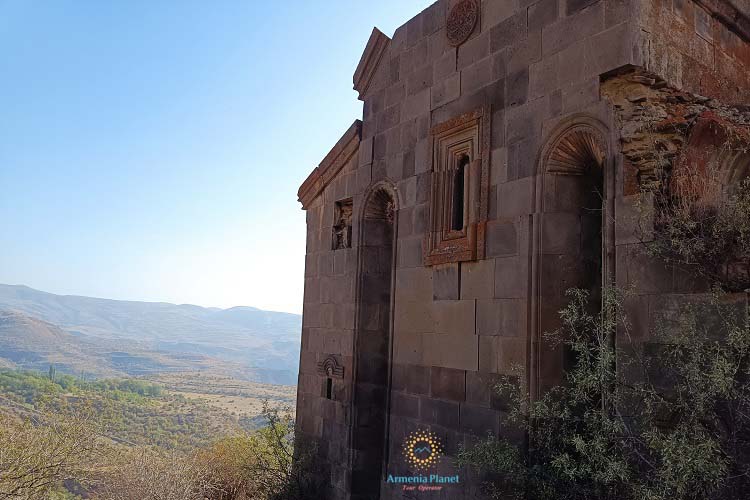
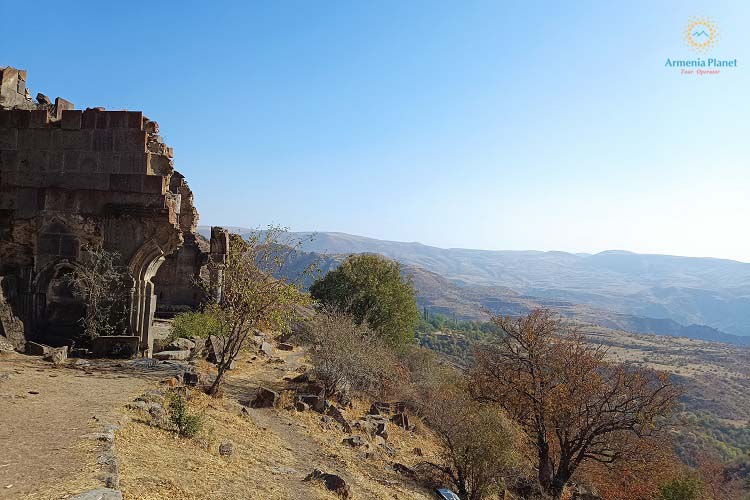
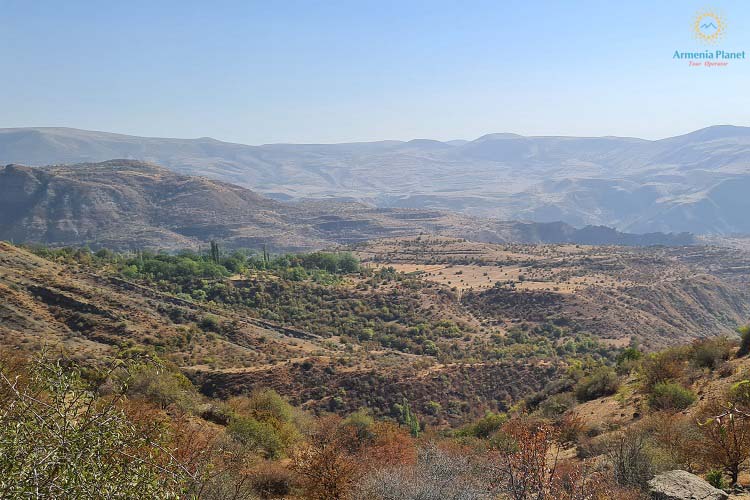
The Aghjots Monastery is hidden deep in the Khosrov Reserve, far from civilization. It stands on a mountainside, from where a beautiful panorama opens up to the reserve.
History
Few information has been preserved about the Aghjots Monastery. This gap is partially filled by numerous inscriptions left on the monastery walls.According to tradition, the history of the monastery begins at the end of the 3rd century, when the priests Stepanos and Gregory, fleeing the persecution of King Tiridates III, took refuge in the territory of the current monastery. Here, the priest Stepanos dies. At the beginning of the 4th century, the first Catholicos of Armenia, Gregory the Illuminator, founded a monastery of virgins at the site of burial of priest Stepanos. This is where the monastery's name came from: Aghjots(girls') Monastery. There are no significant information about the monastery until the 13th century.
At the end of the 12th century, Eastern Armenia was liberated from Seljuk rule under the leadership of Prince Zakare Zakaryan. After that, he handed over the territories surrounding Garni to the Khagbakyan princes who had participated in the battles. In 1207, Zakare Zakaryan instructed the Khaghbakyan princes to build a new monastery on the site of the Aghjots monastery founded in the 4th century. But in 1208 he died. In 1207-1270, under the patronage of the Khaghbakyan princes, the two churches and the narthex of the new monastery were built. During that period, the monastery received rich donations from the Khaghbakyans. In the 13th-15th centuries, a writing center operated in the monastery. In the early 17th century, the monastery was plundered during the campaign of Shah Abbas. In 1679, the Aghjots Monastery was damaged by the Garni earthquake, but was restored and functioned until the middle of the 18th century, until the last Lezgin invasion, after which the monastery was abandoned and deserted.
Architecture
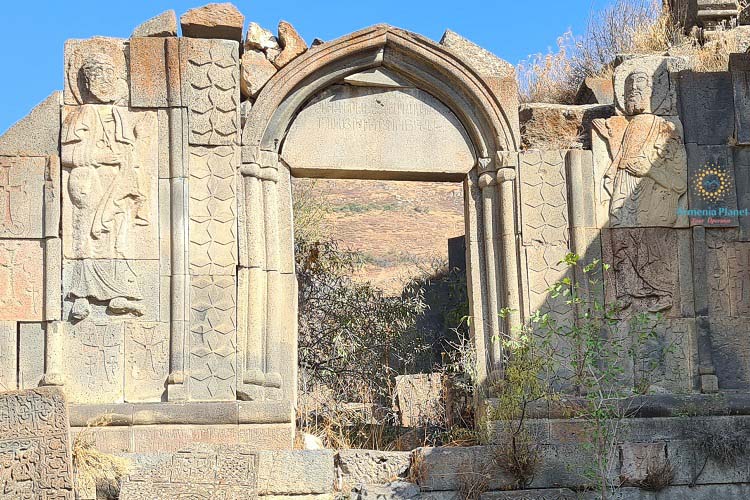
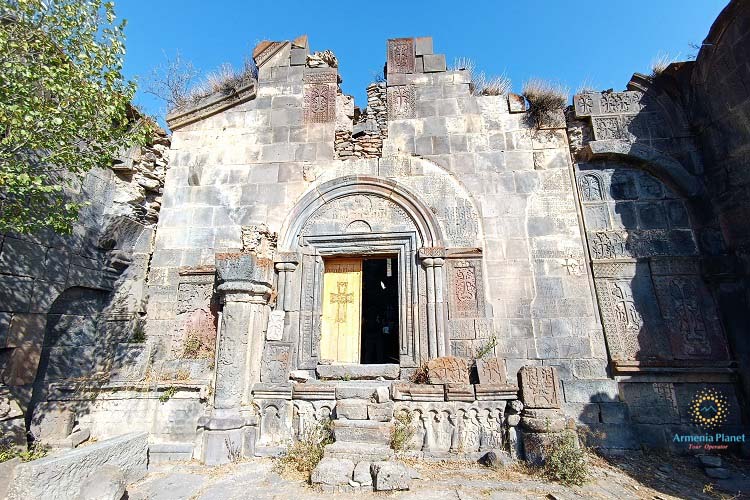
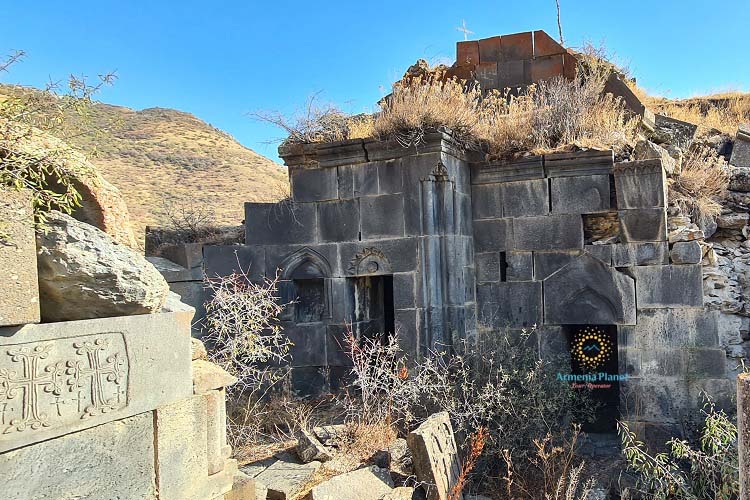
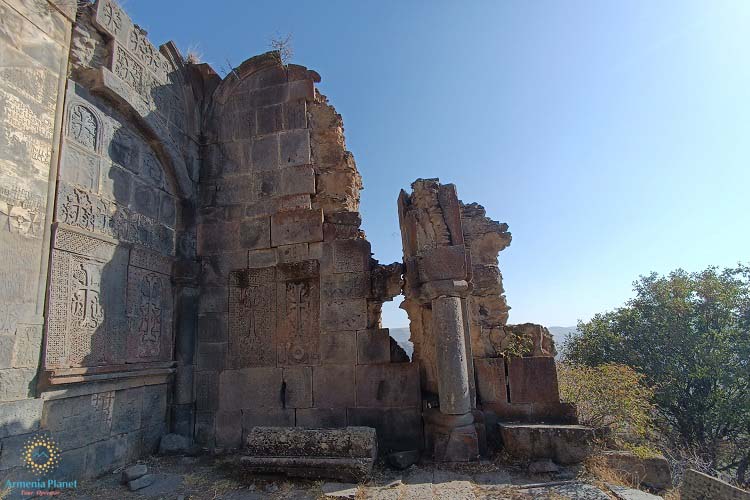
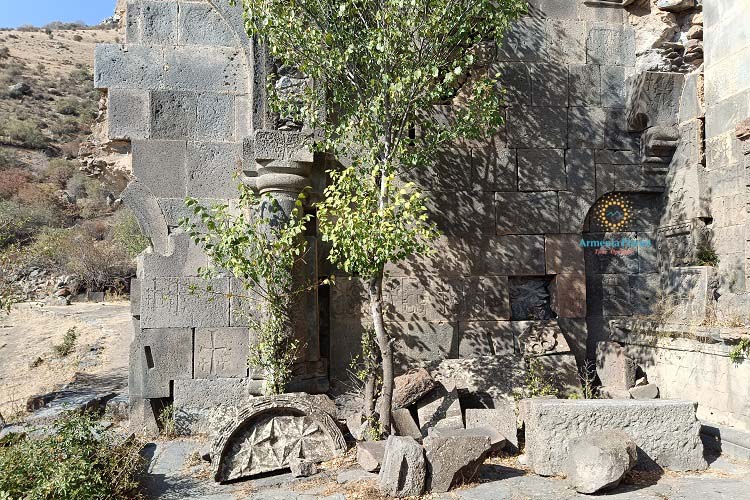
The monastery complex consists of the churches St. Stepanos and St. Poghos-Petros, a narthex, and adjacent residential and utility buildings. Aghjots Monastery is in a half-ruined state, but numerous bas-reliefs, ornaments, and inscriptions have been preserved. The most famous is the sculpture at the entrance of St. Poghos-Petros Church.Saint Stepanos Church
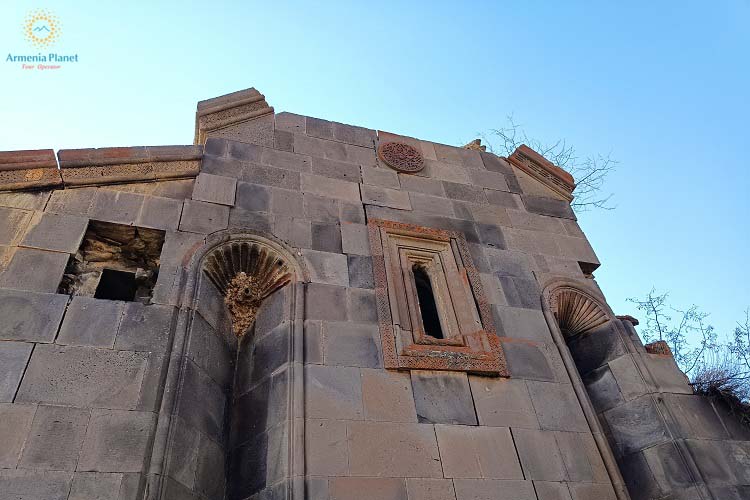
St. Stepanos Church is the first and main church of the monastery. It was built in 1207-1217. The walls, interior and exterior decoration of the church have been mostly preserved. The dome and roof are destroyed.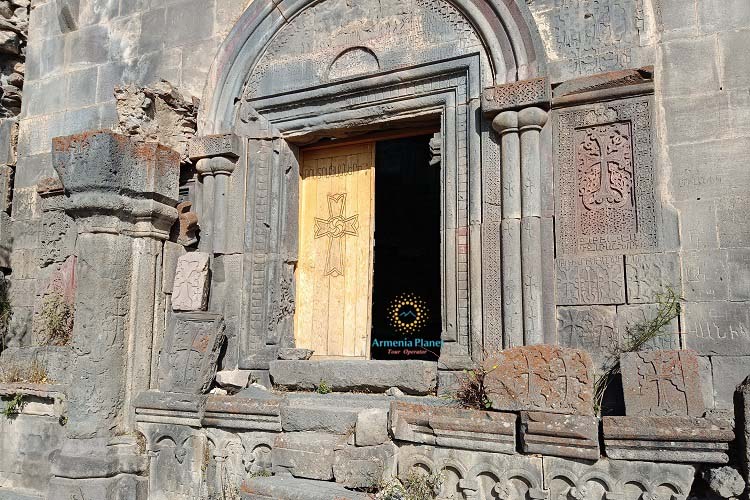
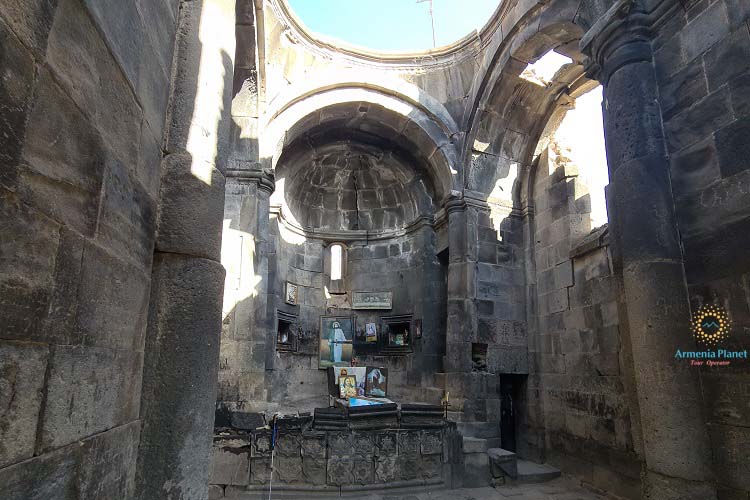
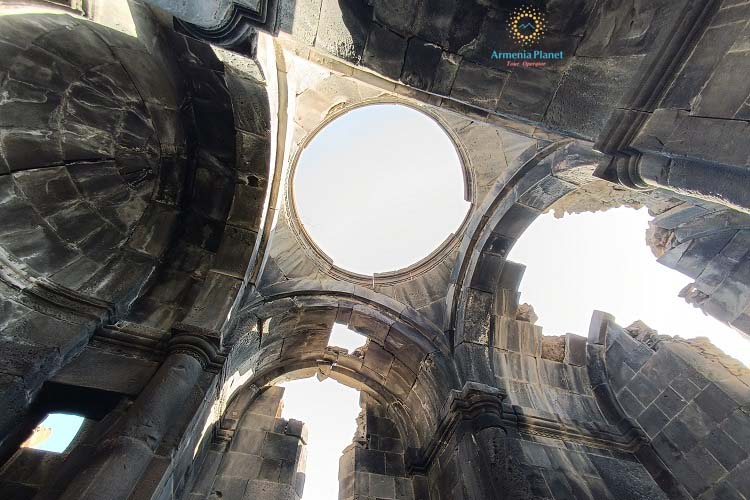
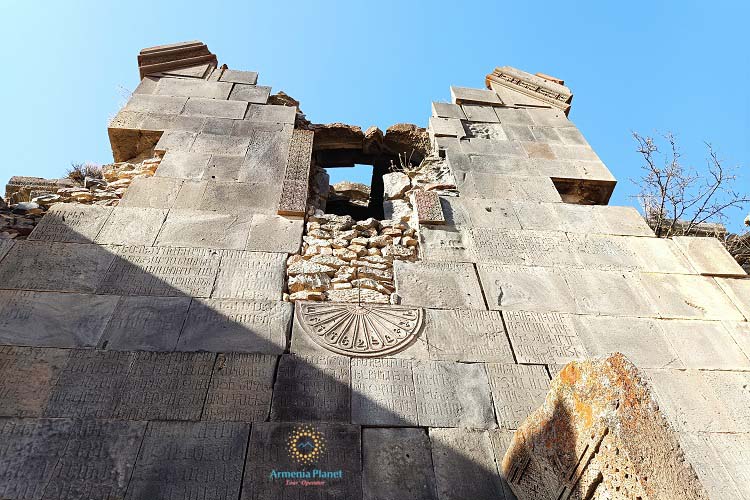
Saint Poghos-Petros Church
The small church St. Poghos-Petros adjoins the northern wall of St. Stepanos Church. According to an inscription, it was built in 1270. On both sides of the western entrance are life-size(170 cm) bas-reliefs of the apostles Peter and Paul. These bas-reliefs are radically different in style from the Armenian bas-reliefs that existed before.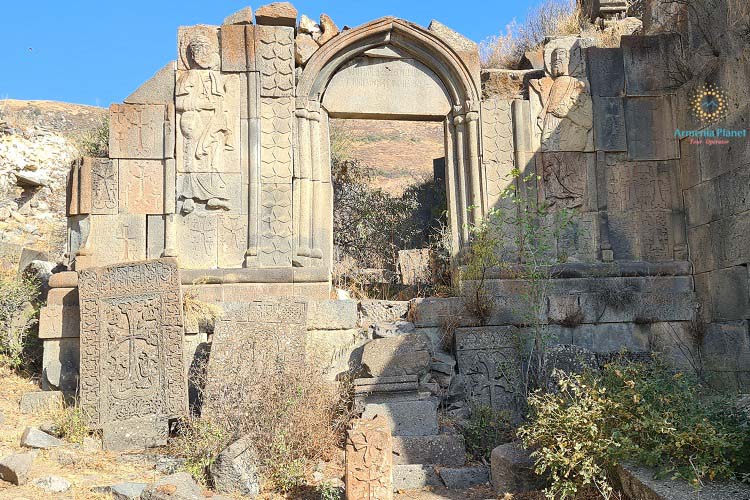
Narthex
The narthex was built in 1217-1234 and adjoins the western wall of Saint Stepanos Church. The narthex is the most damaged building. Only the northern and southern walls are partially preserved. And the western wall collapsed due to a landslide.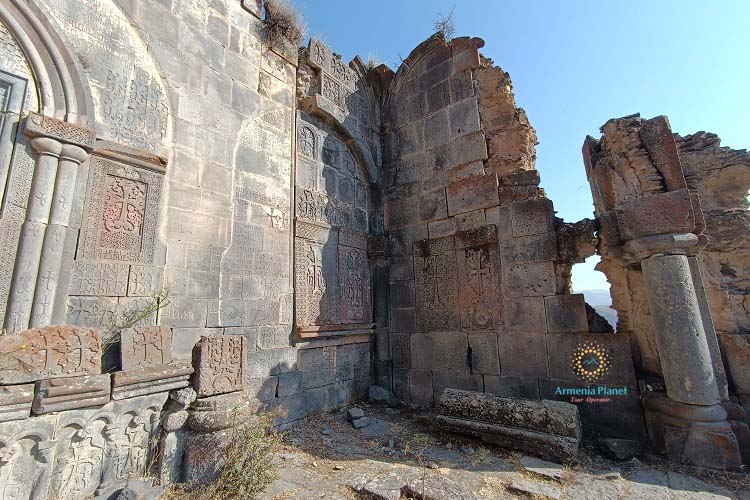
Things To Do Nearby
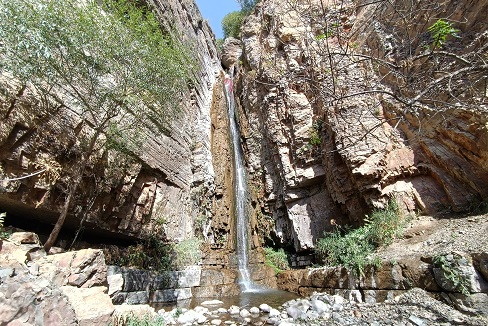
Vahagn Waterfall
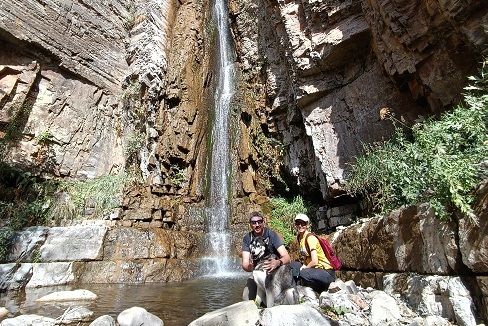
Hiking Astghik and Vahagn waterfalls
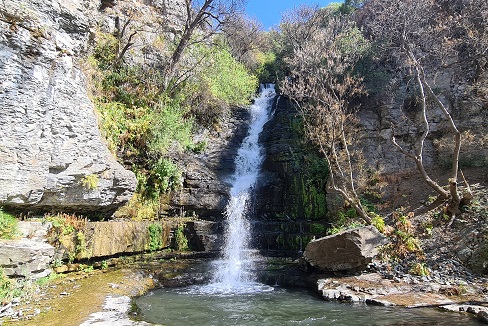
Astghik Waterfall
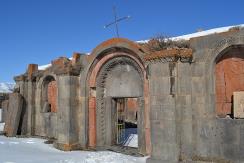
Havuts Tar Monastery
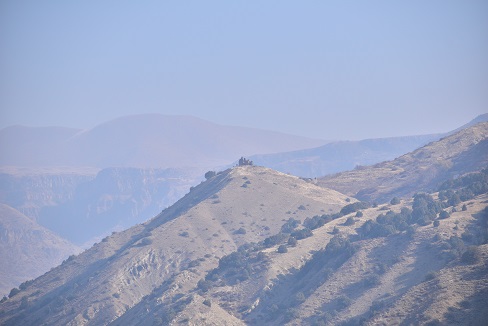
Hiking Aghjots and Havuts Tar monasteries